
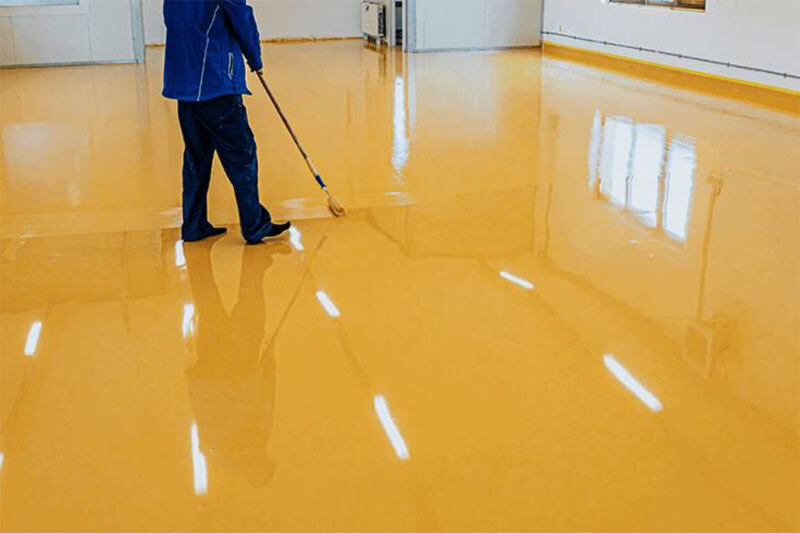
Flooring is one of the most important aspects of any space. Whether it’s your home garage, a busy warehouse, or a high-end retail store, your floors take daily abuse. That’s why more people are turning to epoxy coatings—a versatile, durable, and attractive solution that protects concrete while enhancing its appearance.
In this guide, we’ll cover what epoxy coatings are, their benefits, costs, types, applications, and why they’ve become the gold standard for modern floors.
What Are Epoxy Coatings?
Epoxy coatings are a two-part system made from epoxy resin and a hardener. When combined, they chemically react to create a tough, plastic-like surface that bonds tightly to concrete.
This reaction transforms the floor into a surface that resists moisture, chemicals, heavy impacts, and wear—making epoxy one of the most durable flooring solutions available today.
Unlike simple floor paints that peel and flake, epoxy becomes part of the concrete, ensuring a seamless and long-lasting finish.
Benefits of Epoxy Coatings
Superior Durability
Epoxy floors are built to handle tough conditions. From car traffic in a garage to forklifts in a warehouse, epoxy resists cracks, scratches, and chips that would quickly damage bare concrete.
Resistance to Chemicals and Stains
Gasoline, oil, cleaning products, and other harsh chemicals are no match for epoxy. This resistance makes it ideal for garages, workshops, and industrial environments.
Low Maintenance
Because epoxy coatings create a seamless, non-porous surface, cleaning is simple. Dust, dirt, and spills can be wiped or mopped away without leaving stains.
Design Flexibility
Epoxy isn’t just tough—it’s stylish. With finishes ranging from glossy and metallic to decorative flakes, epoxy offers endless design options to fit any space.
Cost-Effective
Epoxy coatings are an investment that pays for itself. By extending the life of your concrete and requiring little maintenance, they save money in the long run.
Types of Epoxy Coatings
Not all epoxy is the same. Depending on your needs, here are the main options available:
1. 100% Solid Epoxy
- The most durable option, used in commercial and industrial environments.
- Extremely resistant to wear and tear.
- Requires professional installation.
2. Water-Based Epoxy
- Easier for homeowners to apply.
- Low odor and safe for indoor projects.
- Less durable than 100% solid epoxy, but good for light traffic areas.
3. Solvent-Based Epoxy
- Penetrates concrete better than water-based systems.
- Strong and long-lasting but emits strong fumes.
- Best left to professionals with proper safety equipment.
4. Metallic Epoxy
- Contains metallic pigments that create stunning 3D effects.
- Great for showrooms, basements, or luxury garages.
- High-end look with durability to match.
5. Flake Epoxy Systems
- Decorative vinyl flakes are broadcast into the epoxy.
- Creates a textured, slip-resistant finish.
- Popular for garages, gyms, and retail floors.
Applications of Epoxy Coatings
Epoxy is one of the most versatile flooring systems and can be used in almost any setting.
Residential Applications
- Garage Floors: Resistant to tire marks, oil spills, and hot tires.
- Basements: Protects against moisture and delivers a polished look.
- Laundry Rooms: Easy to clean and resistant to detergents and spills.
Commercial Applications
- Retail Stores: Attractive finishes that withstand heavy foot traffic.
- Restaurants: Easy to sanitize and resistant to spills and stains.
- Healthcare Facilities: Seamless surfaces reduce bacteria growth.
Industrial Applications
- Warehouses: Strong enough for forklifts and heavy machinery.
- Manufacturing Plants: Safe, slip-resistant surfaces that comply with regulations.
- Aircraft Hangars: Resistant to fuels, oils, and heavy loads.
Costs of Epoxy Coatings
The cost of epoxy coatings varies depending on the space, preparation needed, and type of epoxy selected.
- Residential Garages: $3–$12 per square foot.
- Commercial/Industrial Spaces: $4–$15 per square foot.
Factors Affecting Cost:
- Surface Prep: Grinding, cleaning, and repairing concrete increases labor costs.
- Type of Epoxy: Metallic and flake systems cost more than basic coatings.
- Size of Project: Larger areas can reduce the cost per square foot.
- Topcoats and Add-Ons: UV protection and anti-slip textures add to the price but extend the lifespan.
While DIY kits are cheaper, they typically fail within a couple of years due to poor adhesion. Professional installation is more expensive upfront but lasts significantly longer.
The Epoxy Installation Process
Professional installation ensures the longevity and performance of epoxy coatings. Here’s how it’s typically done:
- Concrete Preparation: Grinding, cleaning, and repairing to create a bonding surface.
- Primer Application: Helps epoxy adhere to the floor.
- Base Coat: First layer of epoxy resin spread evenly.
- Decorative Enhancements: Adding flakes, colors, or metallic pigments.
- Topcoat Application: Clear, protective finish for added durability.
- Curing: Floors are walkable within 24 hours, but full strength may take 5–7 days.
Epoxy Coatings vs. Alternatives
How does epoxy compare with other flooring systems?
- Bare Concrete: Cheap but cracks and stains easily.
- Polished Concrete: Sleek, but less resistant to chemicals.
- Vinyl Tiles: Affordable, but not durable under heavy use.
- Rubber Mats: Easy DIY option, but lack long-term strength.
Epoxy offers the best balance of affordability, strength, and style.
How Long Do Epoxy Coatings Last?
With proper installation and care, epoxy coatings can last:
- Residential Settings: 10–20 years.
- Industrial Environments: 5–10 years, depending on traffic and exposure.
Applying protective topcoats and performing routine maintenance can extend this lifespan even further.
Maintenance Tips for Epoxy Coatings
- Sweep and mop regularly to prevent grit from scratching the surface.
- Use pH-neutral cleaners instead of harsh chemicals.
- Place mats under heavy equipment or vehicles.
- Reseal the topcoat when it begins to show wear.
Why Hire Professionals for Epoxy Coatings?
While DIY kits exist, epoxy is best handled by professionals. Here’s why:
- Proper Surface Prep: Grinding and moisture testing ensure epoxy adheres correctly.
- Higher Quality Materials: Contractors use industrial-grade epoxy, not thin DIY versions.
- Expert Application: Prevents peeling, bubbling, and uneven finishes.
- Warranties: Many pros guarantee their work for several years.
Epoxy Coatings Are the Smart Choice
From garages to hospitals, epoxy coatings deliver unmatched durability, style, and long-term value. They’re resistant to chemicals, stains, and heavy wear—while offering endless design possibilities.
Investing in epoxy coatings means you’ll enjoy a surface that looks amazing, lasts for decades, and adds value to your property.
Ready to upgrade your floors? Talk to an epoxy flooring professional today and discover how epoxy can transform your space.